

Things to Know Before Drilling a Borehole in Ghana
Access to clean and reliable water is a major need for homes, businesses, schools, and communities across Ghana. Due to irregular water supply in many areas, drilling a borehole has become a popular and long-term solution. A properly installed borehole can provide a steady water supply for many years. However, before starting the drilling process, it is important to understand several key factors that will determine the success, safety, and durability of the borehole.
Understanding Borehole Drilling
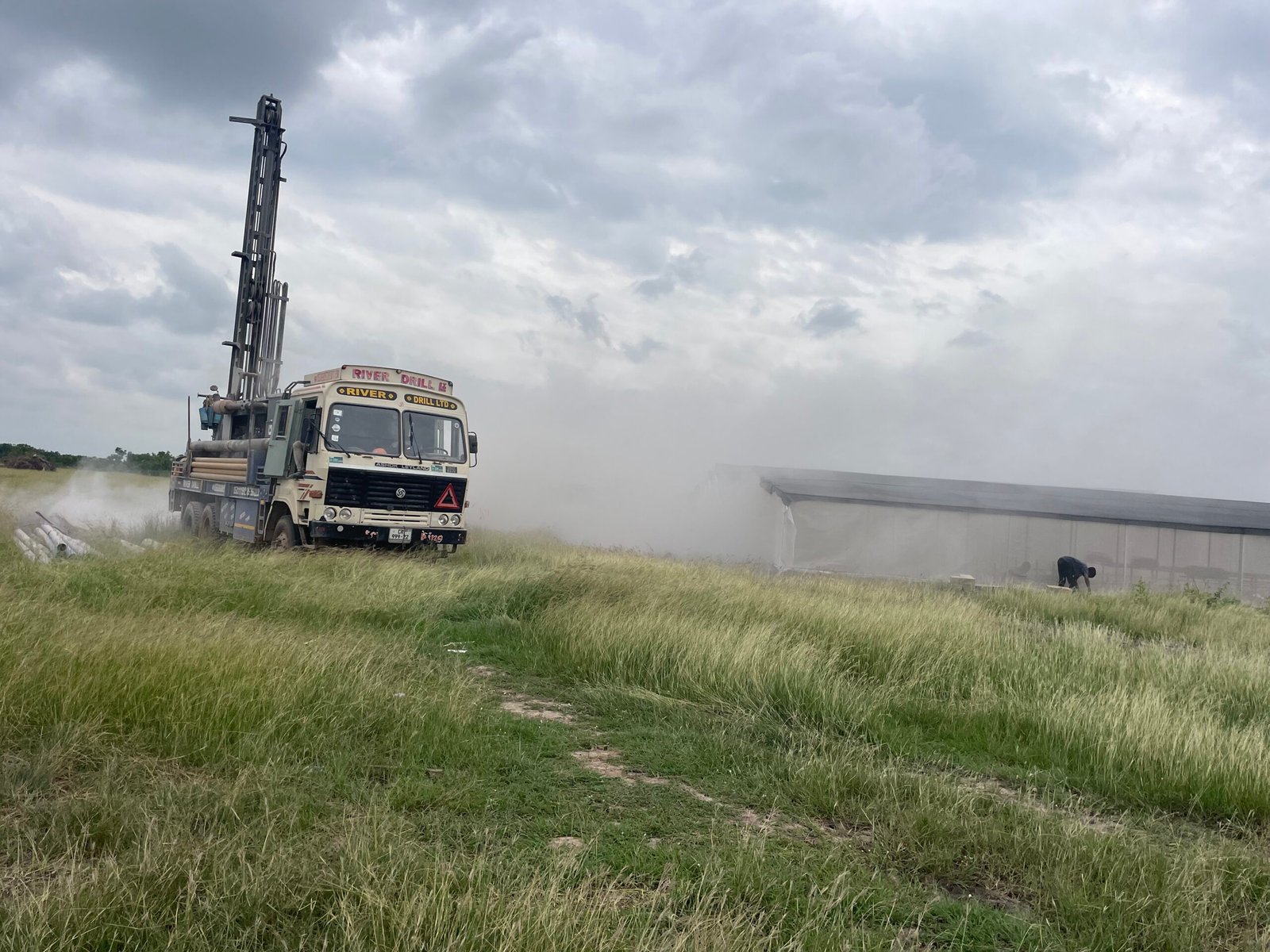
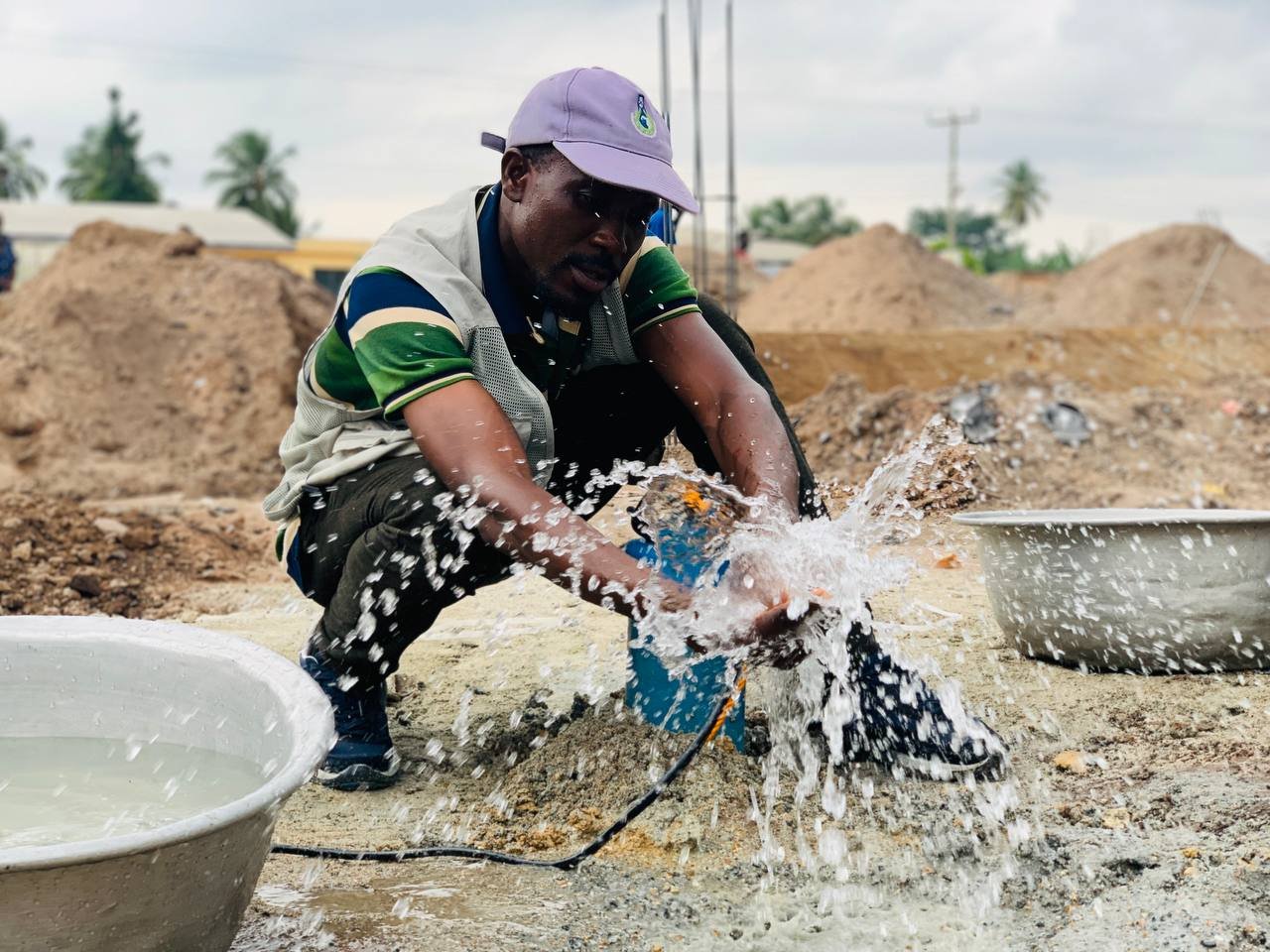
A borehole is a narrow, deep well drilled into the ground to access underground water stored in rock formations known as aquifers. This water is then pumped to the surface for domestic, agricultural, or commercial use. While the idea of drilling a borehole may seem straightforward, it requires proper planning, technical expertise, and the right equipment to ensure it delivers clean and reliable water. Check out: importance of borehole
Conducting a Geological Survey
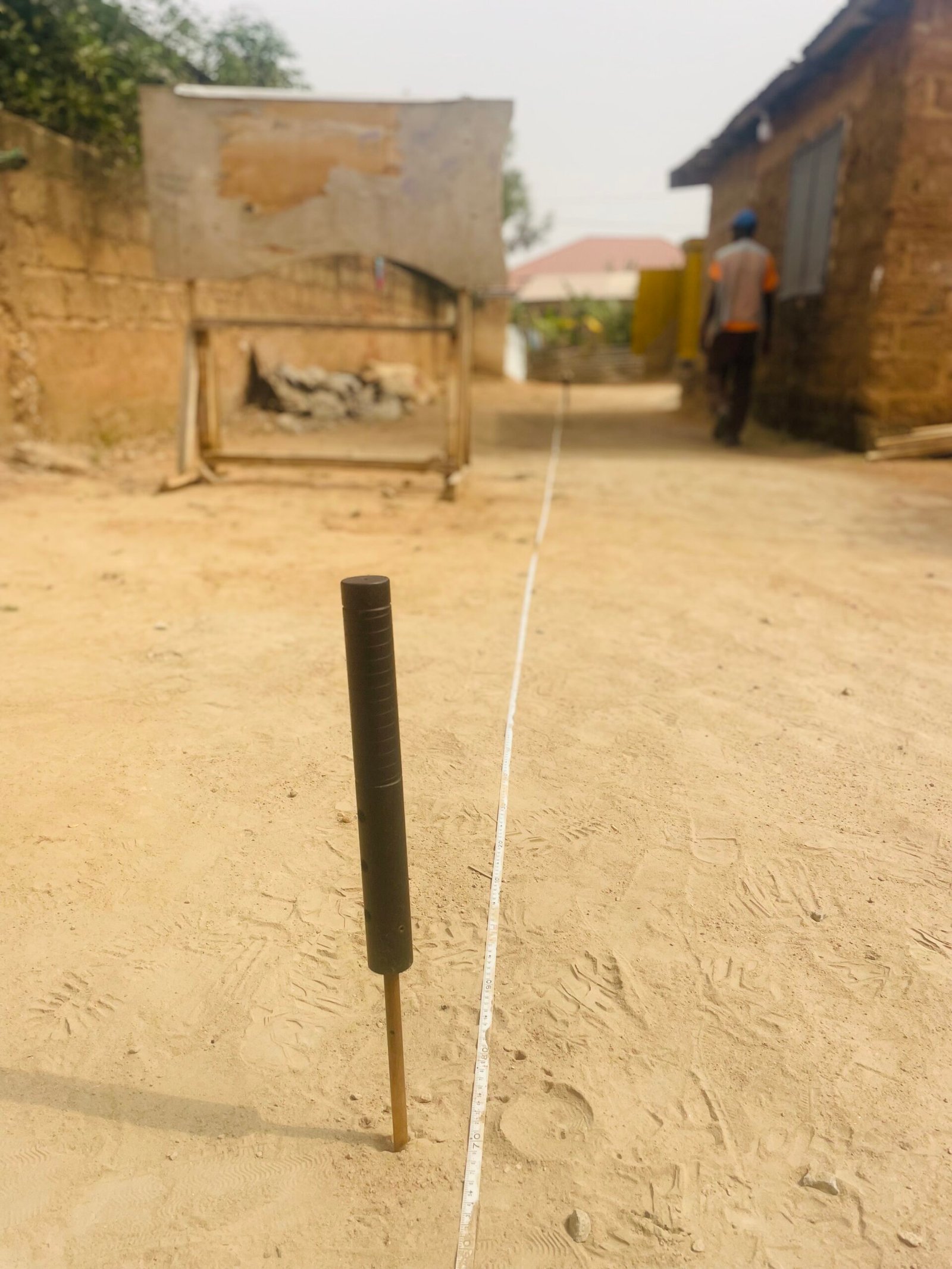
One of the most important steps before drilling a borehole is carrying out a hydrogeological or geological survey. This survey helps experts study the underground structure of the land to determine whether groundwater is available and at what depth it can be found. The survey also helps identify the best drilling point on the property. Without this assessment, there is a risk of drilling a borehole that produces very little water or no water at all, which can result in unnecessary costs.
Choosing the Right Location
Selecting the right location for a borehole is essential for both water quality and safety. Boreholes should not be drilled close to septic tanks, pit latrines, refuse dumps, or drainage systems. These sources can contaminate the groundwater and make it unsafe for drinking or household use. Experts normally recommend drilling the borehole at a safe distance from potential pollution sources to maintain good water quality.
Understanding the Expected Depth
The depth of a borehole varies depending on the geological conditions of the area. In many parts of Ghana, boreholes are drilled between 40 and 100 meters deep. However, some locations may require deeper drilling to reach a reliable water-bearing layer. The depth of the borehole can also influence the overall cost of the project because deeper drilling requires more time, materials, and specialized equipment.
Water Quality Testing
After the borehole has been drilled and water is found, it is important to test the water quality before using it for drinking or cooking. Laboratory tests help identify bacteria, harmful chemicals, or excessive mineral content that may affect the safety of the water. Water testing ensures that the borehole provides clean and safe water for household use.
Selecting the Right Pump System
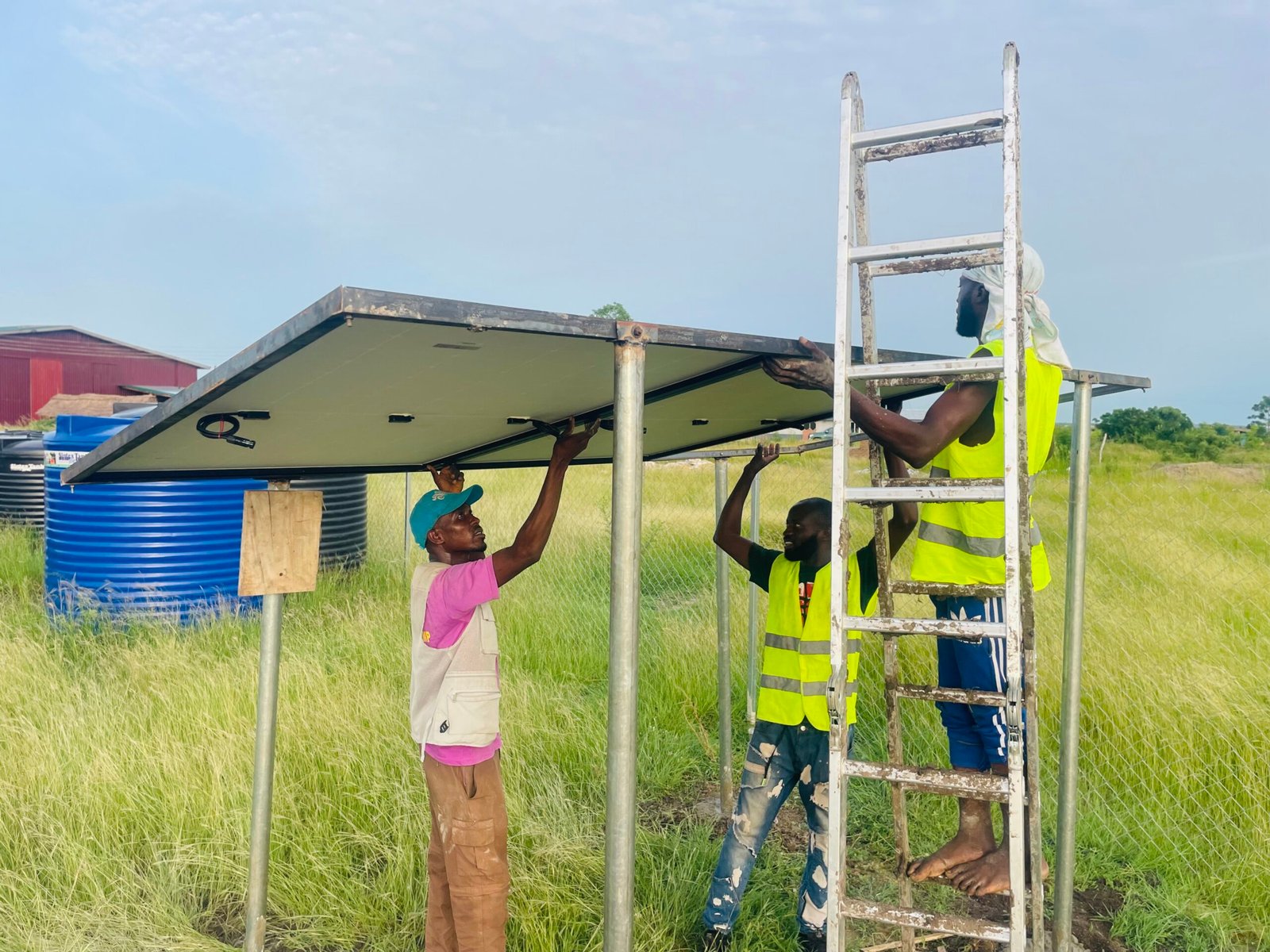
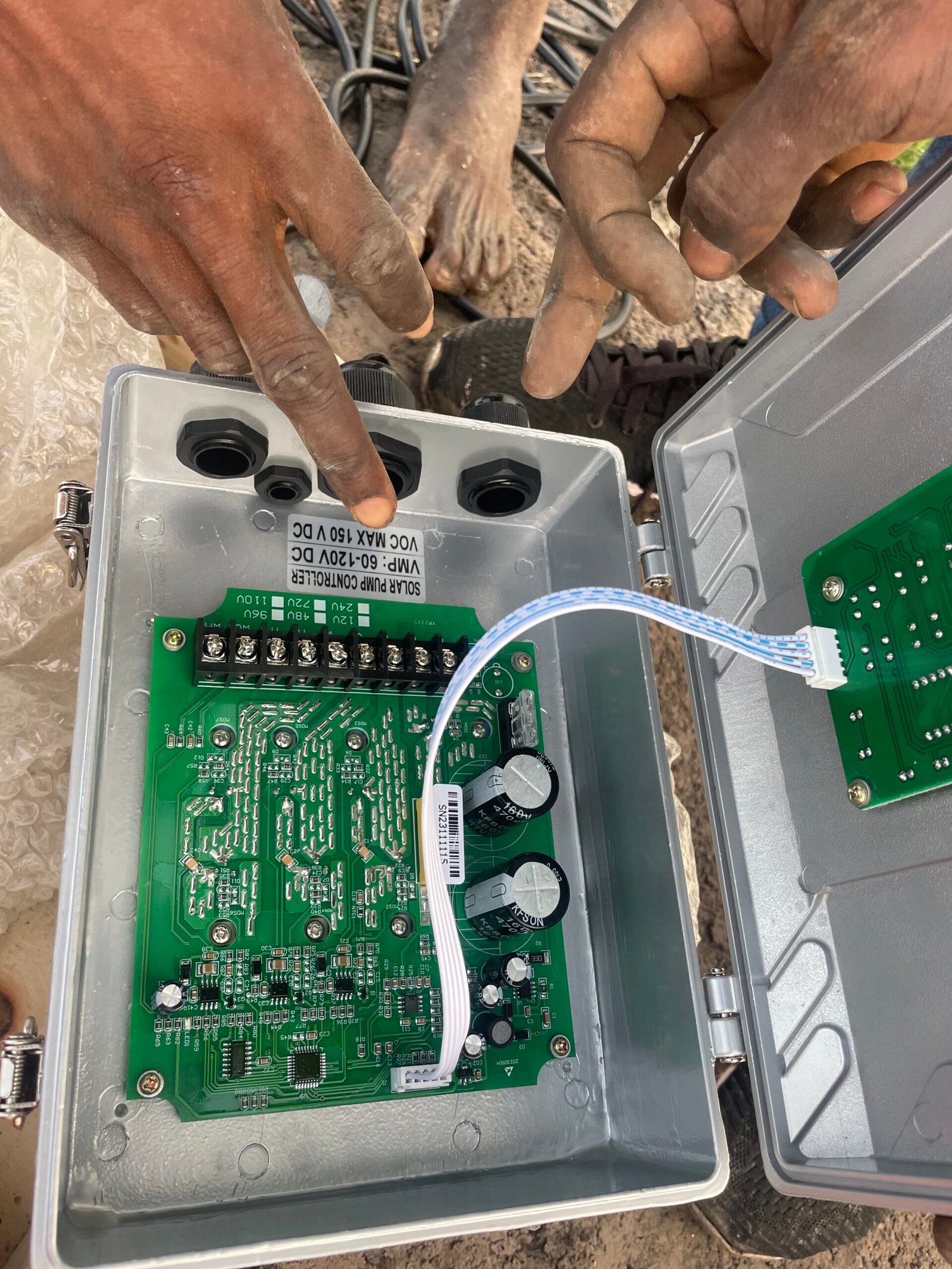
A borehole requires a pump system to bring water from underground to the surface. There are different types of pumps available depending on the needs of the user and the available power source. Common options include manual hand pumps, electric submersible pumps, and solar-powered pumps. Solar pumps are becoming increasingly popular because they are energy-efficient and reduce electricity costs.
Learn more: World Bank Blogs
Leave a Reply